Guidance
How Much Does a Website Cost in Nigeria?
What actually decides what a website costs, what you are really paying for, and where a cheap build turns expensive in the second season.
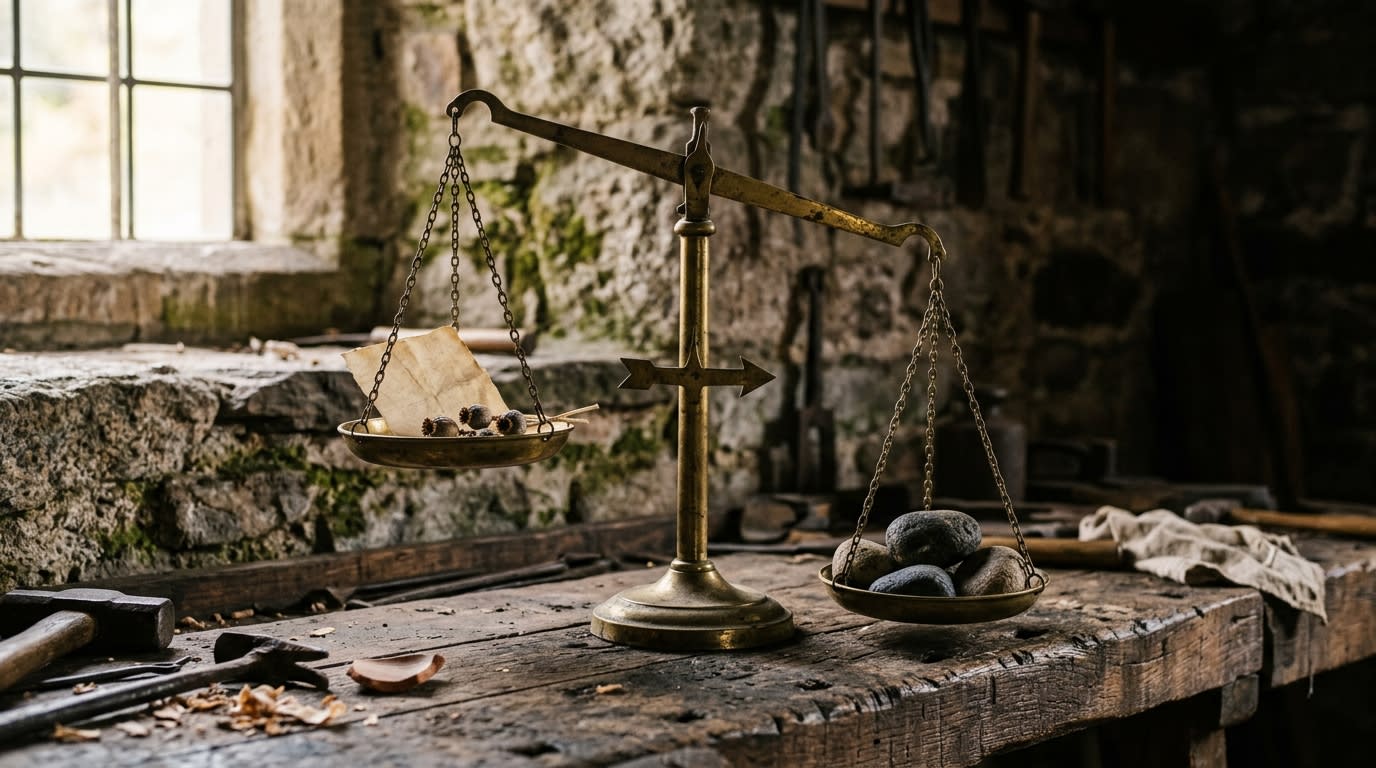
Almost every conversation about a new website begins with one question. How much does it cost?
It is the right question to ask. It is also the one question nobody can answer honestly in the first minute. A number given before the work is understood is a guess with a price attached, and the guess usually belongs to whoever is talking rather than to your business.
So this post does the useful thing instead. It sets out what actually moves the price, what you are paying for, and the questions that separate a clear quote from a vague one.
Two businesses, one question
Picture a tailor who wants a single page: what she sews, photographs of finished work, her hours, her WhatsApp. She needs a page that loads on a cheap phone and says plainly what she does.
Now picture a hotel with rooms, rates, seasons and a booking calendar that must not let the same room go twice. Same question, entirely different work. One is a page. The other is a system with a page in front of it.
A quote that fits both is a quote that has looked at neither.
The three things that move the price
One. What the page must do. A page that explains and a page that sells are different creatures. Explaining needs words, pictures and a way to reach you. Selling needs a catalogue, prices, a basket, a way to pay, and a record of what was paid. Booking needs a calendar that stays honest. An account with orders needs all of that, and a door with a lock on it.
Two. How much has to be made rather than gathered. Words that already exist cost less than words that must be written. Photographs already taken cost less than a day of photographing. Some owners arrive with a folder full; most arrive with a name and a phone number. That difference is real work, and it belongs in the quote, named.
Three. Who tends it afterwards. A site is not finished at launch. Launch is the day it starts. Someone must keep the software current, the pictures fresh and the details true. Decide early whether that is you or someone you pay, and ask what it costs each year.
What sits inside the number
Part of what you pay for is visible: layout, pictures, words. The rest you may never see, and it is the part that decides whether the site is worth having.
- Speed on a slow connection and a modest phone.
- A page that behaves on a phone first, because that is how most of your visitors arrive.
- A search title and description written the way a customer would ask.
- Real descriptions on images, so a person and a machine both understand them.
- Safety: a secure address, forms that do not leak, software kept current.
- Backups, so one bad morning is not a lost year.
- A clean handover: the domain, the files, and the ability to change your own hours.
And before anything is drawn, there is the part that is judgement: asking what the business needs, choosing what belongs on the first screen, and leaving the rest out.
Where a cheap quote turns costly
A low price is not proof of good value. It is a warning when the scope is unwritten or the ground is not yours.
One line on the quote. If the whole agreement is a figure and a promise, the argument later has no floor to stand on.
Ground you do not own. A page kept inside someone else's account, with the domain in their name, is land you can be moved off. Keep the domain in your own name, from the first day.
Nothing you can change. If new opening hours mean a fee, the build is wrong, not you. You should be able to change your hours, a price and a photograph yourself.
A price that stops at launch. Ask plainly what year two costs, and write the answer down.
Rebuilt every spring. A site made to a passing fashion is replaced when the fashion passes, and you pay for the same ground twice.
Questions to ask before you pay
Ask these of anyone, including us. A builder with nothing to hide will be glad of them.
- What must this page do, and how will we know it does it?
- What is included, line by line: pages, writing, photographs, domain, email?
- Who writes the words, and who takes the pictures?
- What does it cost in the second year, and who pays it?
- Will the domain and the files be in my name?
- Can I change my hours, prices and one photograph myself?
- What does a change cost after launch?
- What is the timeline, and what do you need from me to keep it?
- If I want to leave, what do I take with me?
How to compare two quotes fairly
Write the scope yourself, on one page, and hand the same page to both: how many pages, who writes the words, who takes the photographs, the domain, the email, training, and upkeep. Then the numbers are about the same work and can be read side by side.
The lowest number for the same written scope deserves a hard look, but not a blind yes. Ask what sits inside it, and what happens in the second year. That is usually where the difference lives.
What is not worth paying for
- A promise of first place on Google. Nobody sells that. They sell a hope.
- Bought reviews, or reviews written by family and staff.
- Heavy effects that make a cheap phone stutter. Beauty that costs the customer is not beauty.
- A page built to win praise from other designers rather than to answer a customer.
What comes after the build
Every site carries running costs: the domain renewed each year, hosting, small updates, and the work of feeding it new photographs and new words. That is not a trick of the trade; it is how a living thing behaves. A site is a garden, not a statue.
If you cannot tend any of that, cut the scope at the start. A modest page kept alive is worth more than a grand one left dark.
A short list to take with you
- Write what the page must do, in one sentence.
- Write your scope: pages, words, pictures, domain, email, upkeep.
- Ask for a line-by-line quote and a timeline in writing.
- Ask what it costs in year two.
- Confirm the domain and files will be yours.
- Confirm you can change your own hours.
- Ask what a later change costs, before you need one.
The long view
Price is a decision of one season. Whether a site earns is measured over many. A plain page that is found, trusted and tended will outwork a grand one left dark.
So ask what the page will do before you ask what it costs, and let the number answer the question it was made for.
Jomiez Innovation builds websites, web apps and AI systems for businesses, and grows its own AI products, Chaka AI and Chaka WAP among them. Every build begins with scope, timeline and cost, agreed before a line is written.
More insights
Work with Jomiez
Product
What Aethron Does for Developers and Designers
Five AI agents that carry a template into files you own, check every page in a real browser, fix what breaks and port the site — what that gives a developer and what it leaves a designer.
Written by
Guidance
Why Your Business Doesn't Show Up on Google
Why a busy business can still be invisible in Google search, the five usual causes, and the free work that puts a business on the map and keeps it there.
Written by
Guidance
How to Choose the Right Website for Your Small Business in Nigeria, UK, or US
A plain guide to choosing a site that fits your trade: what your business needs it to do, which kind of site suits the work, and what to leave out.
Written by